
S1000D GenAI for Technical Publications at Scale
Modernize S1000D programs with LLM-assisted authoring, rules validation, DM classification, applicability search and PLM-connected publishing.
Modernize S1000D programs with LLM-assisted authoring, rules validation, DM classification, applicability search and PLM-connected publishing.
S1000D is the international specification for technical publications used across air, land, sea, civil and defence. Content is written as reusable data modules, stored in a common source database and assembled into page output or an IETP. The Council, Steering Committee and working groups publish the issues, schemas and data dictionaries.
Start at the S1000D external links page or the official downloads. Dakota implements the specification on the tools your program already uses.
Open the standards desk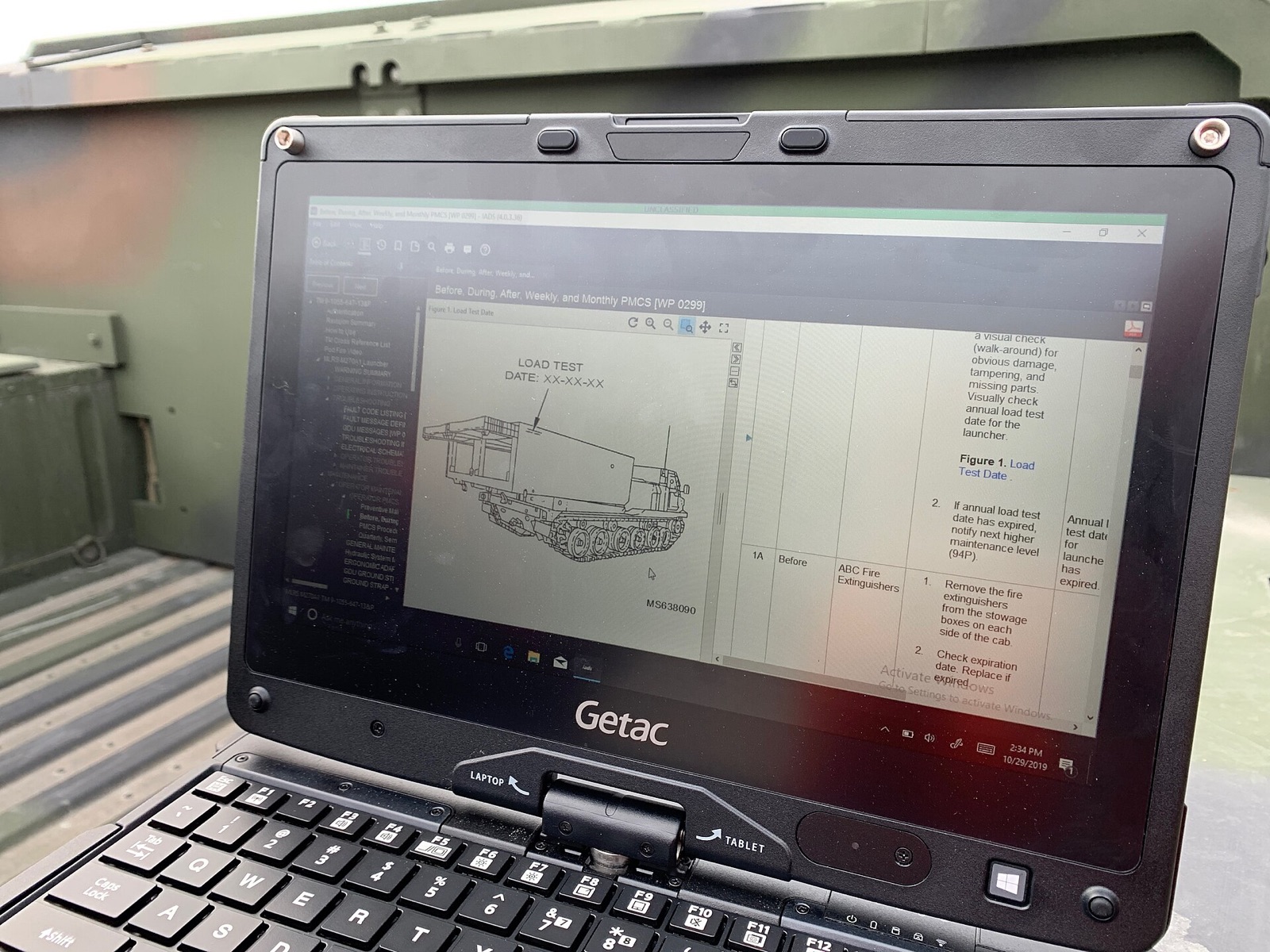
Photo: U.S. Army PEO MS, Kinsey Lindstrom. Public domain, via Wikimedia Commons.
The specification is published as numbered issues. The contract names the issue. A later download from s1000d.org does not replace it. Issue 4.0, 4.1 and 4.2 still run most production CSDBs. Newer programs may cite Issue 5.0, Issue 6 or Issue 7, each with its own schemas and data dictionaries.
National and service rules sit on top of that issue. MIL-STD-3031B with Change 1 applies US Army (and stated Marine Corps) business rules to S1000D Issue 4.2 for new-acquisition page and IETP output. The UK cites DEF STAN 00-601 with MAA RA 1310 and RA 5815. Australia uses DEF(AUST)IPS-5630. ASD-STE100 is the controlled-language overlay.
S1000D issues. Issue 4.0, 4.1, 4.2, 5.0, 6 and 7 plus the matching data dictionaries on the official downloads site.
MIL-SPECs. MIL-STD-3031A and MIL-STD-3031B Change 1 — Army / USMC business rules bound to Issue 4.2.
Allied rules. DEF STAN 00-601, MAA RA 1310 / RA 5815, DEF(AUST)IPS-5630 and ASD-STE100 Issue 9.
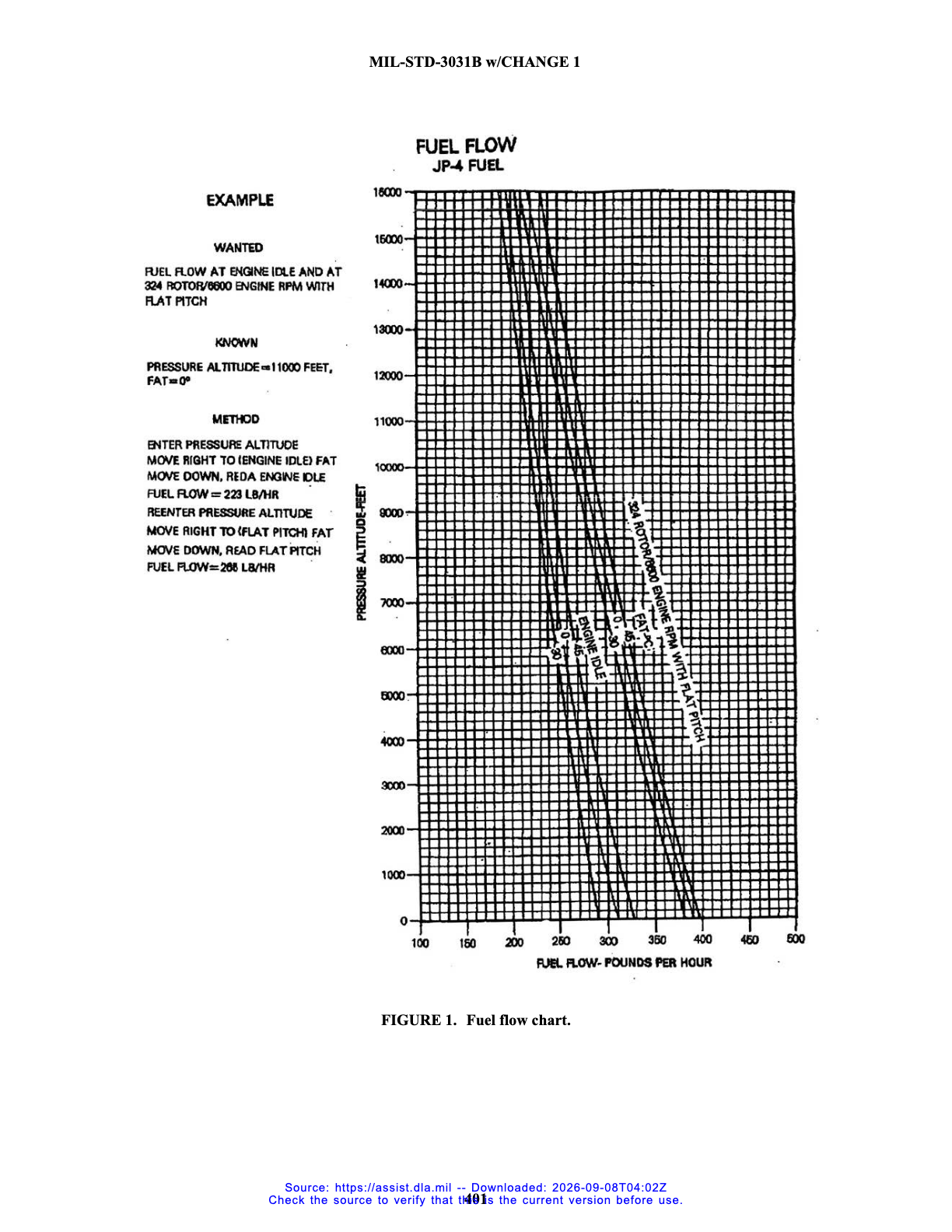
MIL-STD-3031B w/CHANGE 1, Figure 1. US Government work, US Army, via DLA ASSIST.
The publication stack is XML in, XSLT for structure, then either XSL-FO or Arbortext FOSI Composer for page output. We implement that stack on Oxygen XML, PTC Arbortext and Cortona3D RapidAuthor (including RapidAuthor for Teamcenter) against the issue and business rules named above. We do not invent a sixth product.

Photo: U.S. Air Force, Airman 1st Class Gustavo Castillo. Public domain, via Wikimedia Commons.
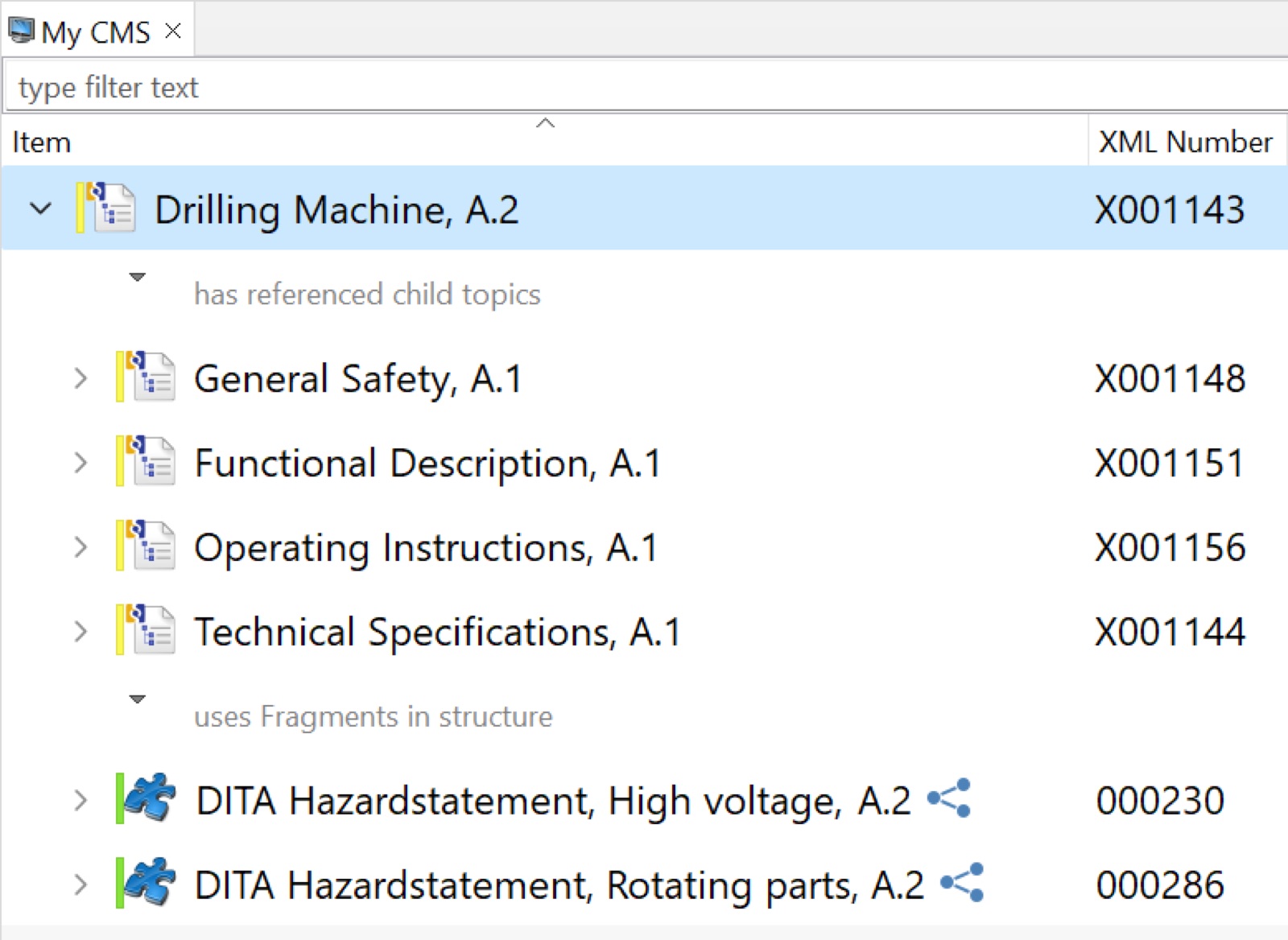
Image: Siemens, Teamcenter Content Management.
Data modules are XML. XSLT maps schemas, BREX and publication modules into the composition input. The same transforms serve IETP and page output.
W3C XSLT →
Image from the Dakota industry stills library.
Antenna House and Apache FOP compose page-oriented technical manuals from XSL-FO. Used when the program specifies an FO stylesheet family rather than FOSI.
W3C XSL-FO →
Image: PTC, Arbortext.
PTC Arbortext Print Composer and Styler FOSI for programs that still ship FOSI-driven page output. Authoring and composition stay separate migration decisions.
PTC Arbortext →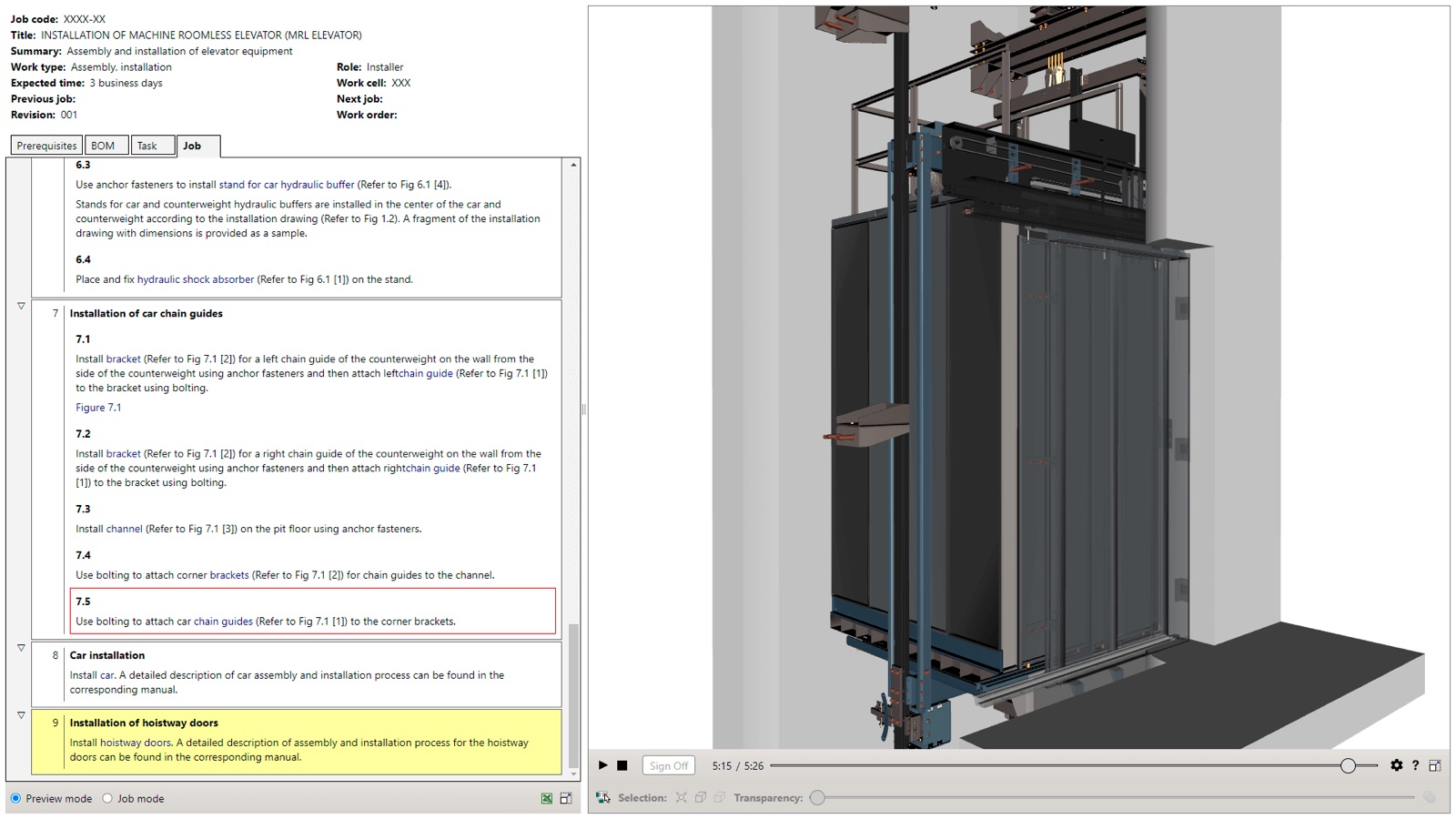
Image: Cortona3D, RapidAuthor.
Cortona3D authoring of procedures, IPCs and 3D work instructions from CAD.
cortona3d.com/rapidauthor →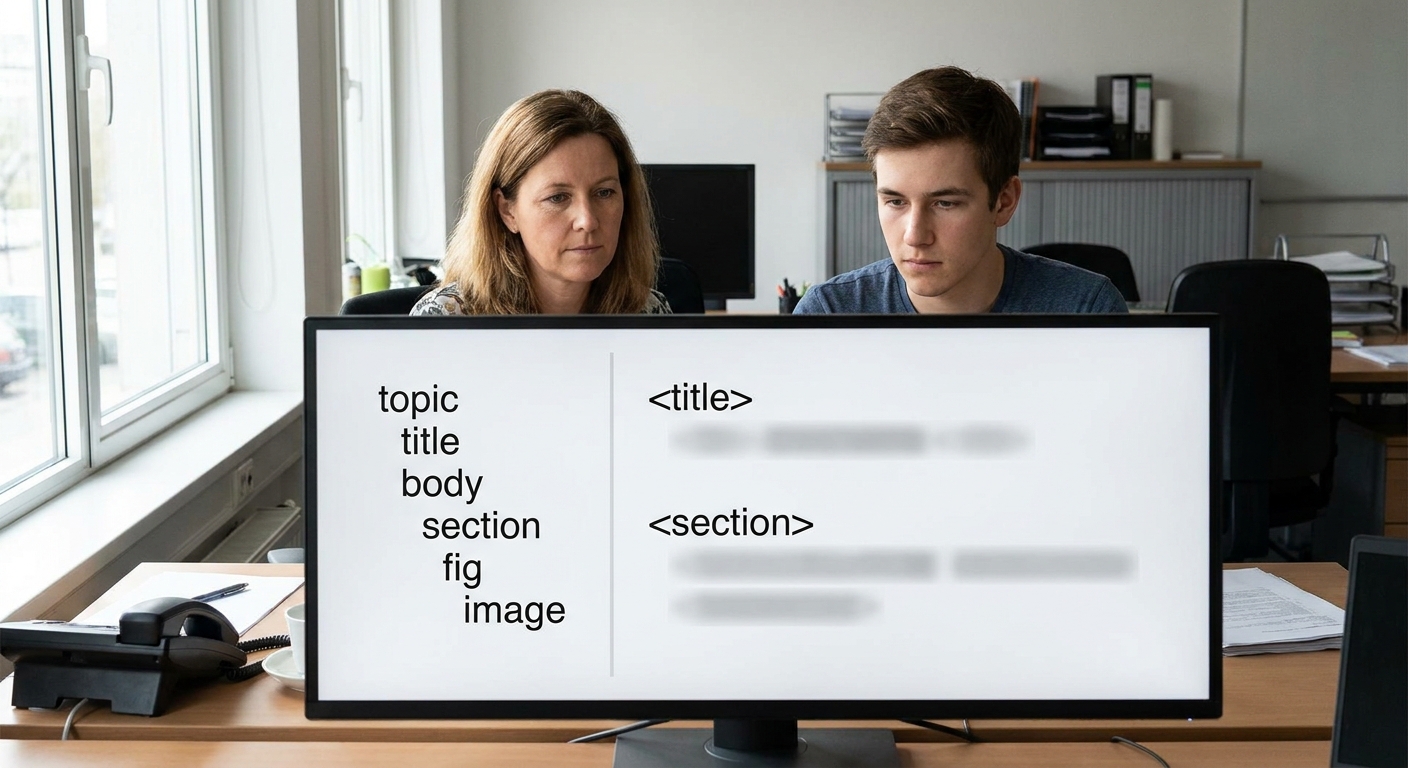
Image from the Dakota industry stills library.
Syncro Soft S1000D framework: visual authoring, XSLT debugging, templates and BREX for issues 4.0–4.2.
Oxygen S1000D framework →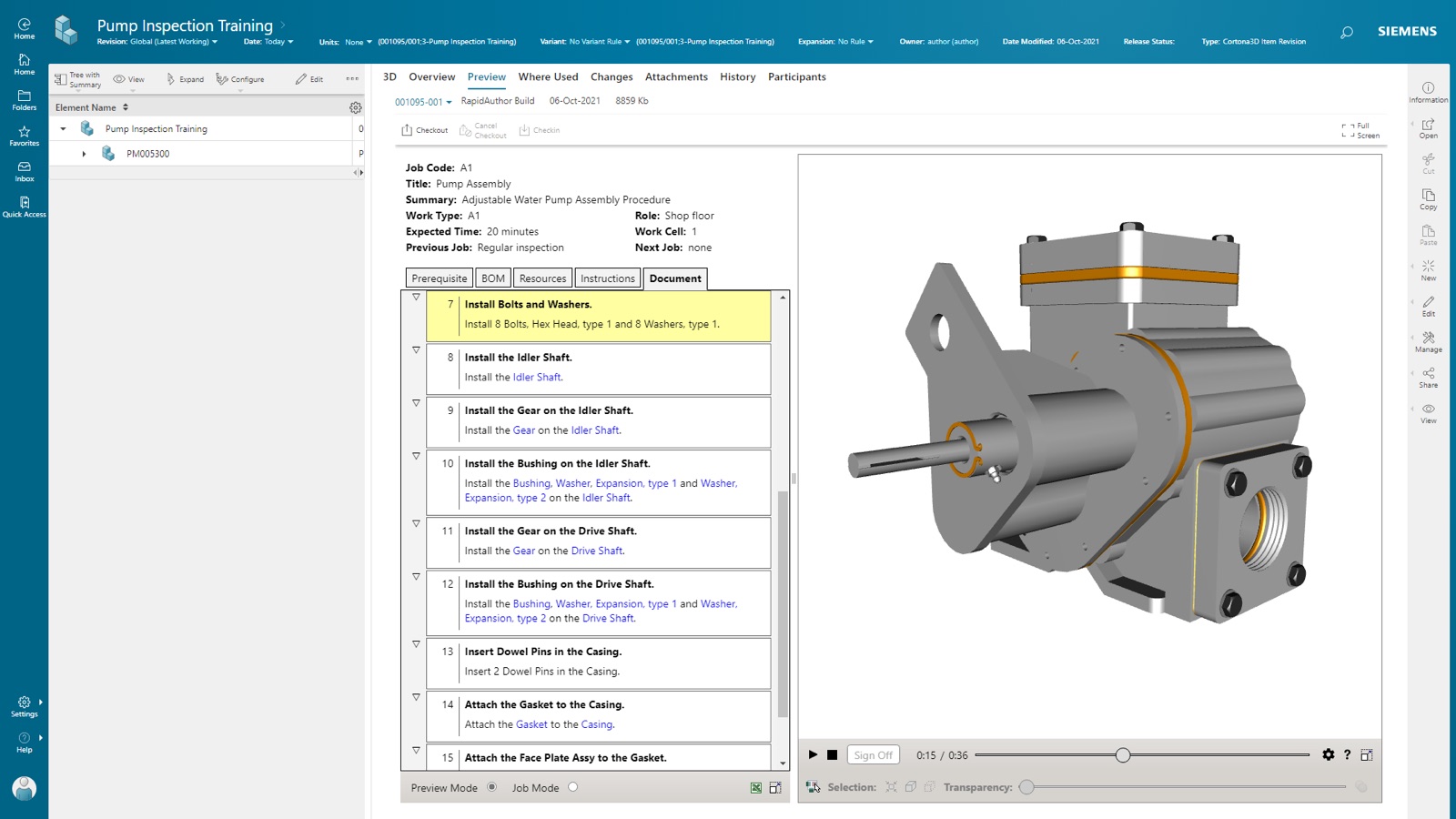
Image: Cortona3D, RapidAuthor for Teamcenter.
Siemens DISW + Cortona3D: author against the engineering product structure in Teamcenter.
RapidAuthor for Teamcenter →Practitioner notes cited to the controlling rules and product documentation: what a conversion pilot must prove, how the Teamcenter handoff is designed and the two decisions in an Arbortext migration.
Image: Cortona3D, RapidAuthor.
A RapidAuthor conversion pilot gives publications managers and engineering leads evidence for planning production conversion.
Read the insight →Image: Cortona3D, RapidAuthor for Teamcenter.
Define how an engineering change reaches an accepted publication before automating the handoff.
Read the insight →Image: PTC, Arbortext.
Scope an Arbortext migration by testing editing work separately from publication output.
Read the insight →
Image: Cortona3D, RapidAuthor.
For publications managers and engineering leads, the useful starting point is a publication package with a named acceptance owner.
Read the insight →Free 90-minute working session
A hands-on session for your publications, engineering and IT leads. We map where GenAI safely accelerates your S1000D program — authoring, business rules, migration and IETP — and you leave with a prioritized plan.
Prefer to pick a time now? Book directly →
GenAI is useful after the data module, the CSDB and the business rules are already in place. We use it to propose codes, explain BREX failures and search by applicability — always with a person who accepts the change. The specification itself stays on s1000d.org.
Book a working session
Animation: Vojta Šára, Neural network loading on LottieFiles (Lottie Simple License).
Official recordings from Siemens, Cortona3D, Syncro Soft and the FrameMaker S1000D plug-in. We embed their YouTube uploads; nothing here is a Dakota demo.
Part catalog update with Teamcenter and RapidAuthor for Teamcenter
Siemens Software. Watch on YouTube.
What’s new in RapidAuthor 2512 for Teamcenter
Cortona3D. Watch on YouTube.
Visual authoring for S1000D in Oxygen XML Editor
Syncro Soft / oxygenxml. Watch on YouTube.
Installing Eclipse S1000D for FrameMaker
Mekon Limited (Adobe FrameMaker plug-in). Watch on YouTube.